
We empower people facing court alone
Every day, people navigate the court system alone — feeling anxious, overwhelmed, and unsure of their next steps. Our trained volunteers step in to provide reassurance, practical guidance, and emotional support when it matters most.
Every year, thousands of people in the UK face court alone. Often through no choice of their own, they must represent themselves at a moment that could determine the rest of their life. They may face divorce, eviction from their home, or the loss of their children. In an unfamiliar courtroom, up against a party with legal representation, the process can be stressful and confusing. Our team make sure people facing court are not alone, and help them navigate a complex legal system with dignity and self-assurance.
Over 45,000 people supported
This year, we stood alongside people in court on more than 45,000 occasions, supporting those without legal representation. Each of those moments meant reassurance, clarity, and calm, made possible by the dedication of our remarkable volunteers and the generosity of our supporters.
Behind every statistic is someone facing an often daunting process alone. At the heart of our work are our volunteers, who offer not only practical guidance but also humanity and compassion at the most difficult times. From standing beside someone in a courtroom to helping them navigate complex paperwork, their kindness creates a real and lasting difference.
Client feedback
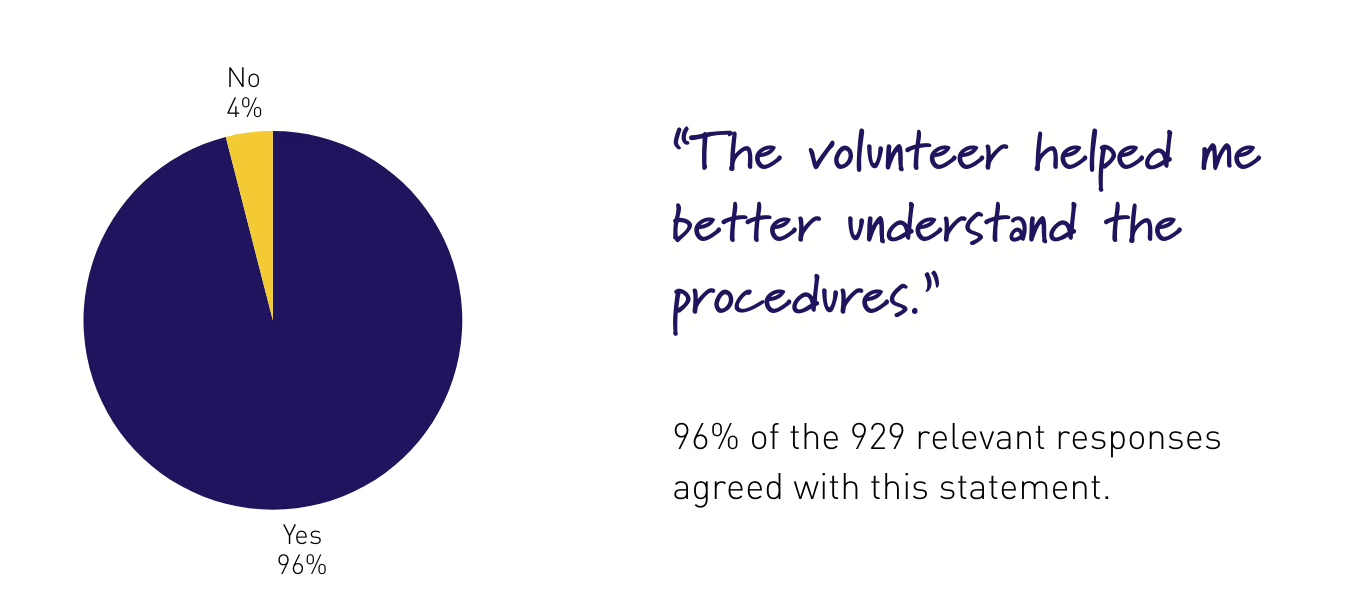
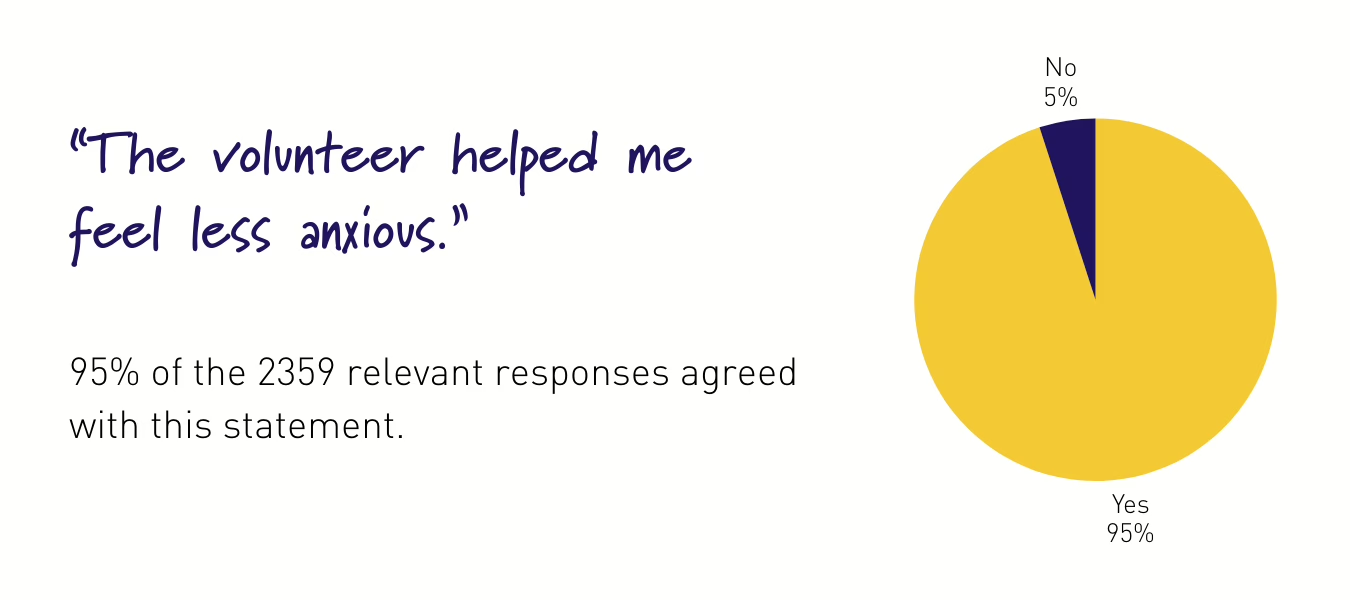
‘Invaluable support – I can’t even begin to describe the relief I felt going through court with Support Through Court.’ – Client, Sheffield
‘It’s a lifeline during such overwhelming chapters of our lives where we don’t know how to navigate a path through.’ – Client, London
Who we’ve helped
The people we support often face complex and challenging personal circumstances. Our clients face the prospect of going through court without anyone to help them. But with our help and guidance, they are given an opportunity to represent themselves to the best of their abilities and have the best chance of accessing justice.
This year, 24% of our clients who completed our diversity monitoring form told us English was their second language, 22% were not in employment, and 38% reported serious health problems, with 43% identifying as ethnic minorities (excluding white minorities).
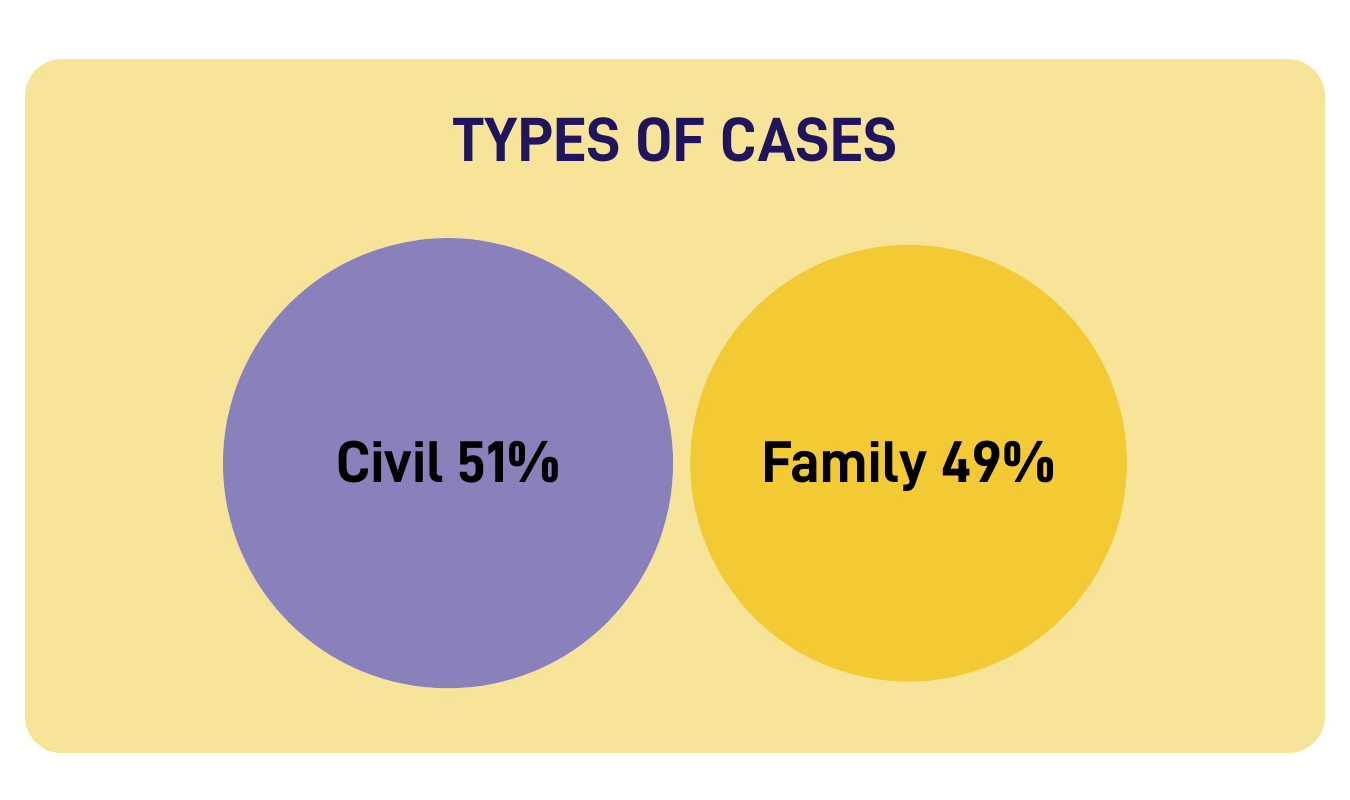
Types of case
We most often support people with money claims, housing, employment cases, child arrangements, divorce and non-molestation cases.

Support us
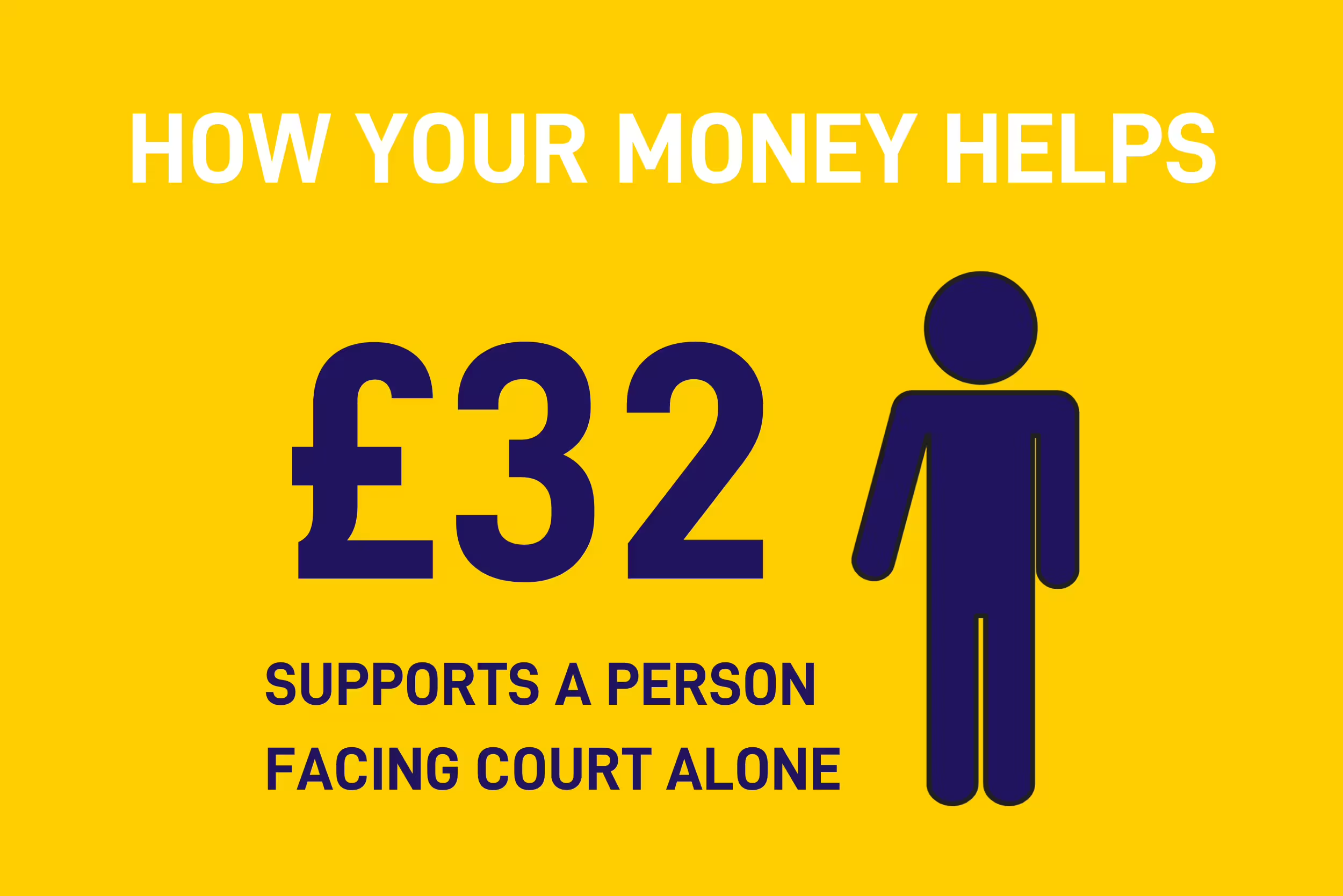
Your help makes our work possible. There are numerous ways you can support our charity